We’re mid-stream between two of three major annual Old Testament Fall Feasts; moving away from the first toward the second. The first was the Feast of Trumpets, (which corresponds with the Jewish Civic New Year). It’s called Rosh Hashanah, began at sundown on September 25th and ended at sundown on September 27, 2022. According to the Jewish Civic Calendar we have now entered the year 5783. The next major appointed time is Yom Kippur, or the Day of Atonement, which begins on October 5, 2022. After that comes Sukkot, also called the Feast of Tabernacles. Sukkot 2022 will begin in the evening of Sunday, October 9 and ends the evening of Sunday, October 16. It has 6 plus days, and the 8th is also celebrated.
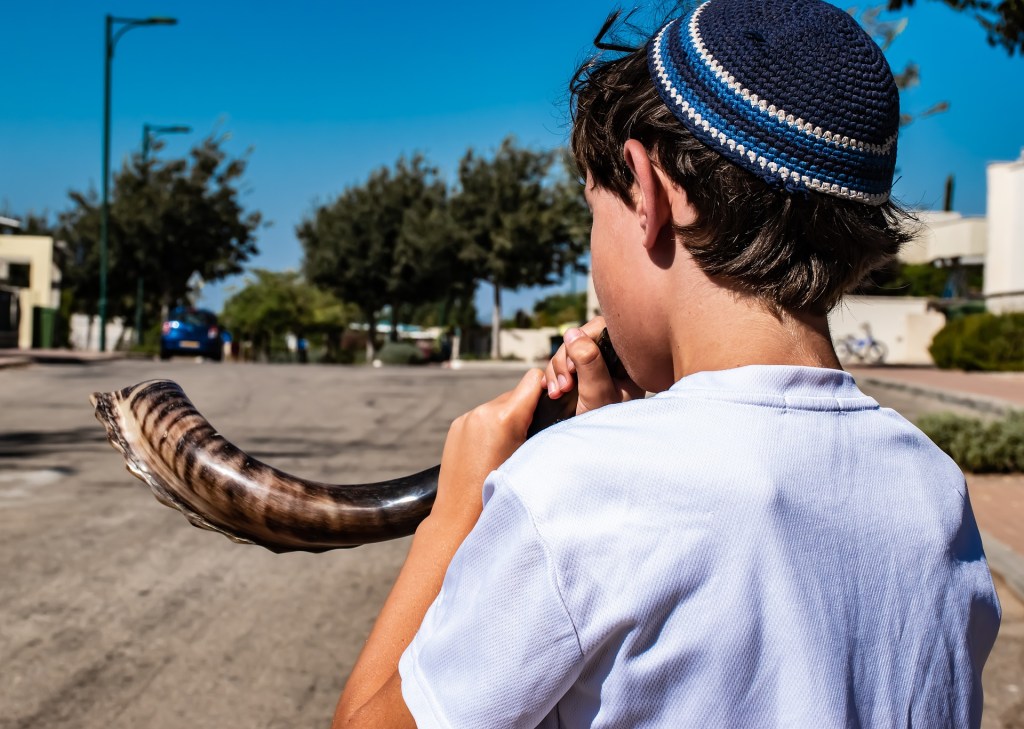
The Feast of Trumpets is the first major biblical appointed time of the Fall Season. It corresponds to the Civic New Year. According to scripture, on that day the Jewish people were to rest from work, make a food offering , shout and blast shofars, and present themselves to the Lord for his blessing; not necessarily in that order.
For Christians the Feast of Trumpets, can be considered a call to look for Jesus Christ’s return. It’s also possible the blasts and shouting specifically foreshadow the catching away of the church, with the marriage supper of the Lamb to follow. This feast reminds us to be awake, watch and live ready.
Traditionally the days between the first two fall feasts are called the “Ten Days of Awe.”
During those Ten Days of Awe, observant Jews reflect over their past year in preparation for the coming year. The idea is to take a deeper than normal look at the condition of one’s life and the state of one’s relationships.
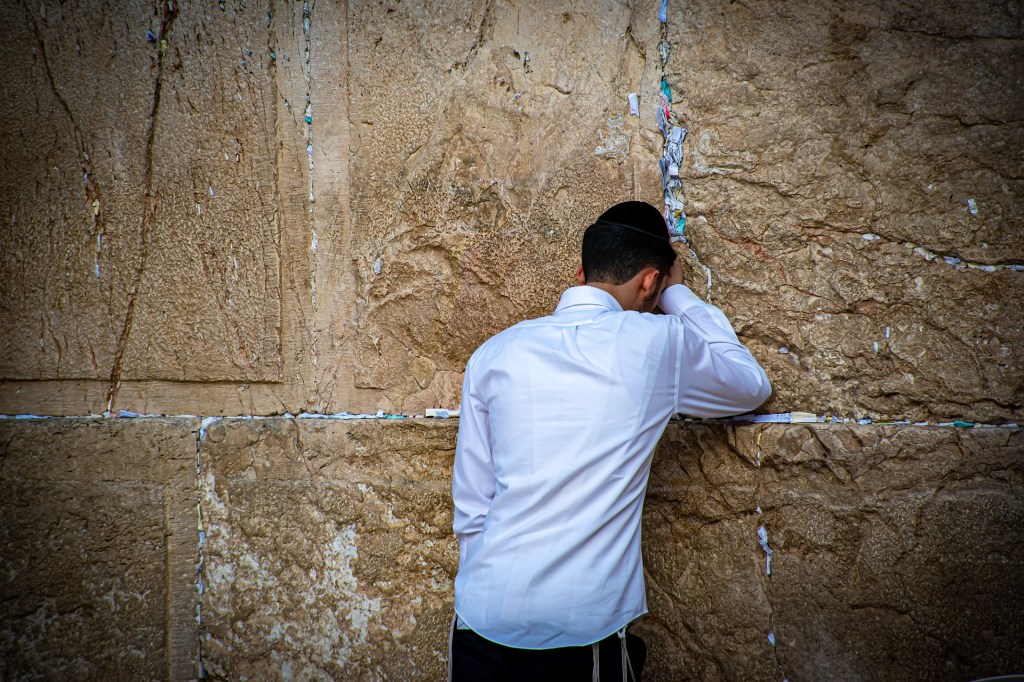
Celebrants reflect on questions like, “Who do I still need to forgive? Who do I need to ask forgiveness from? What should I stop, or start doing? Is there anything I need to make right?” The goal of all this heart searching is to address whatever is out of sorts or broken in one’s life, purge it, and get ready to be made ceremonially clean from these entanglements on the Day of Atonement.
Christians know that because of the sacrifice of Jesus Christ, we can be cleansed of our sin and forgiven any time of the year. Fresh starts are as readily available as the next breath we take. After we deal honestly with our shortcomings before our merciful God who made the way, forgiveness is instantaneous. We don’t need to make a another sacrifice because Jesus Christ became our forever sacrifice about 2000 years ago. The practice, however, of taking extra time on a periodic basis for soul searching and deeper reflection is commendable, and especially powerful when guided by Holy Spirit.
Jewish celebrants of Yom Kippur seek to cleanse their souls of wrongdoing to position themselves for God’s favor in the coming year. Today they practice rituals to transfer their shortcomings onto an animal or something else like money. Then they or someone else gets rid of that object. It’s a sacrifice. Also they deny or “afflict” themselves, usually by fasting.
In Bible times the priests performed the rituals at the temple by sacrificing specific animals in a certain way. Priests also selected one of their own to enter the Holy of Holies and cleanse it. The Jewish celebration of the Day of Atonement is all about being cleansed and set free from wrongdoing through transference of sin to an acceptable sacrifice. It’s their most important appointed time of the year for practicing Jews.
Many Messianic Christians believe the Day of Atonement foreshadows the return of Christ in His second coming. Specifically, some people believe it represents a day of judgment. That day will occur after Christ’s return when He gathers the nations before Him and separates those who know Him and trust Him to be their sacrifice from those who do not. The New Testament tells of such an event.
After Yom Kippur (Day of Atonement) there remains a third major appointed time in the fall. It’s called Sukkot or the Feast of Tabernacles. This year it is on October 10-11, 2022. (Other words for Tabernacles are Shelters or Booths.) During this holiday the Jews build temporary shelters and spend time in them to commemorate their ancestors 40 year trek through the desert while guided by the presence of God in the form of a pillar made of cloud by day or fire by night.
The Feast of Tabernacles reminds the Jews of God’s great deliverance out of Egypt and how His presence went with them through the desert thereafter.
Christians remember that too, but also believe Sukkot foreshadows a future time when Jesus Christ will deliver the earth from the anti-Christ and remain here afterward. At that time He will set up his Kingdom in person, and rule and reign, here for a thousand years.
There are three major appointed times in the Fall Season: Rosh Hashanah, Yom Kippur, and Sukkot otherwise called the Feast of Trumpets, the Day of Atonement, and the Feast of Tabernacles. During the Spring there are four more major biblical feasts.
Many followers of Christ believe the Spring Feasts point back to Christ’s first coming about 2000 years ago, whereas the Fall Feasts point forward to His return.
All the Spring and Fall Seasonal Appointed Times were established by God through revelation to Moses on Mount Sinai thousands of years before Jesus Christ was born. At that time, these feasts prophetically pointed ahead to God’s great rescue plan in Jesus Christ; though at the time of Moses both the first and second coming of Christ were futuristic and people only dimly understood about the Messiah. In retrospect, Christians enjoy the profound expanded symbology of these biblical feasts in the light of Jesus Christ and hope someday soon many more Jews will embrace this broader understanding as well.
Addendum: Dates vary from year to year according to the Hebrew calendar. This year, 2025, the Hebrew New Year (Rosh Hashanah) began Monday, September 22 at sunset and ends Wednesday, September 24th at nightfall. (Their new year begins the 1st and 2nd days of the Hebrew month of Tishrei. For them, this is now the year of 5786.) According to western dating the Day of Atonement (Yom Kippur) is Oct 1 sunset – Oct 2 at nightfall. The Feast of Booths (Sukkot) is Monday Oct 6 at sunset – Monday Oct 13th at nightfall. You can find the pertinent dates for the feasts of any particular year at the website listed below.
This information came from: https://www.hebcal.com/holidays/2025
Resources:
Fall Feasts at https://messianicsabbath.com/category/fall-feasts/
Jewish Holidays at https://www.hebcal.com/holidays/2022-2023
Relevant Scripture at https://www.biblegateway.com/passage/?search=Leviticus+23&version=NIV
Also used info from an NIV Study Bible
 Fire Starter for Jesus