The events of the first Passover happened thousands of years ago. God sent Moses to free his people from slavery and oppression in Egypt as recorded in the book of Exodus.
Before we dive into that first Passover, it’s noteworthy to acknowledge that some of today’s prophetic voices are saying a widespread exodus is in the process of taking place. They tell us God is breaking oppression in a global sort of way and removing wickedness in high places throughout the world to set nations free. It’s also interesting to note that in 2026 Passover begins at sunset on April 1st and Resurrection Sunday is the fourth day of Passover. Now back to the first exodus. Here’s what happened long ago:

A multiyear famine drove Jacob, along with eleven of his sons and their families out of Caanan into Egypt. They moved at the invitation of Jacob’s second youngest son, Joseph, who was living in Egypt at the time and had become quite powerful. He was in charge of the food supply. Jacob’s extended family lived happily in Egypt with access to food and protected by Joseph for a time.
Later, however, Joseph was forgotten. A new Pharoah (king) ruled Egypt. This Pharoah became suspicious and afraid of Jacob’s extended family because the clan had grown from a small band of people into a nation of many. The new Pharaoh felt intimidated because Jacob’s family, now called Israelites, outnumbered the Egyptians.
Under this new Pharoah the Egyptians oppressed and enslaved the Israelites. Near the end, they forced them to kill their newborn male children to keep the number down. It’s at this point Moses was born. He escaped death in Egypt and moved away. Later in life, God sent Moses back to Egypt to deliver the Israelites.
Getting away from Egypt was quite a process. The new Pharoah didn’t want to let his free labor pool go. When Moses and his brother Aaron spoke with Pharoah, that king repeatedly refused to release the people. It became a battle of the gods, Egypt’s idols against the God of the Hebrews.
Plague after plague hit Egypt; ten plagues in all. At first everyone experienced the plagues. Later only the Egyptians felt the sting. Each plague wreaked havoc upon Egypt. Nonetheless, the Pharoah would not relent. At the end, the final plague came, death of the firstborn.
The death angel struck all the families in Egypt while God’s people were protected by following God’s instructions. They applied the blood of a pure spotless lamb onto the door frames of their homes and stayed inside that important night.
In a sense it was payback time for how the Pharoah had killed the Israelites’ baby boys. The night the death angel came, all first born of Egypt died. Then Pharoah relented. He ordered the Hebrew people to leave.
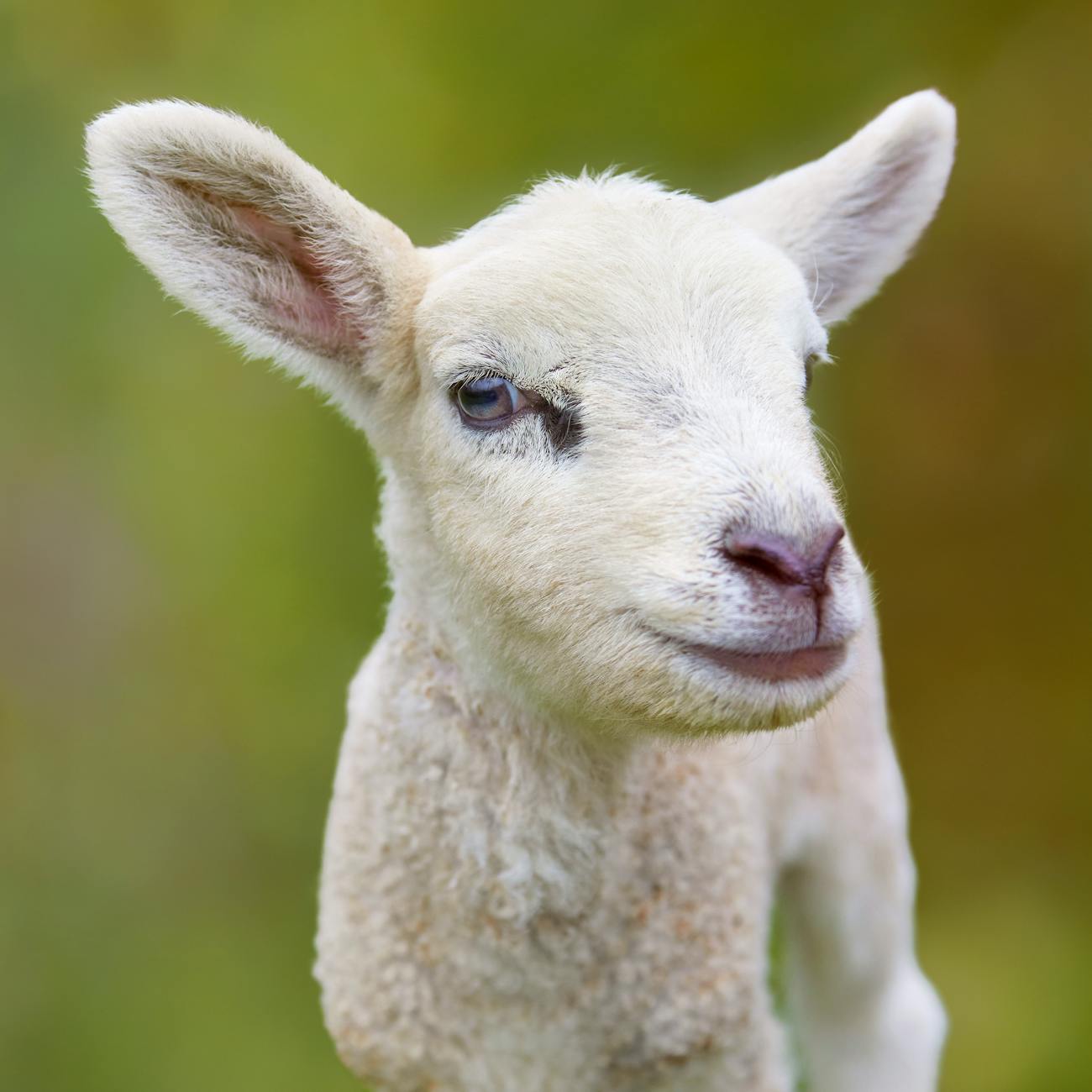
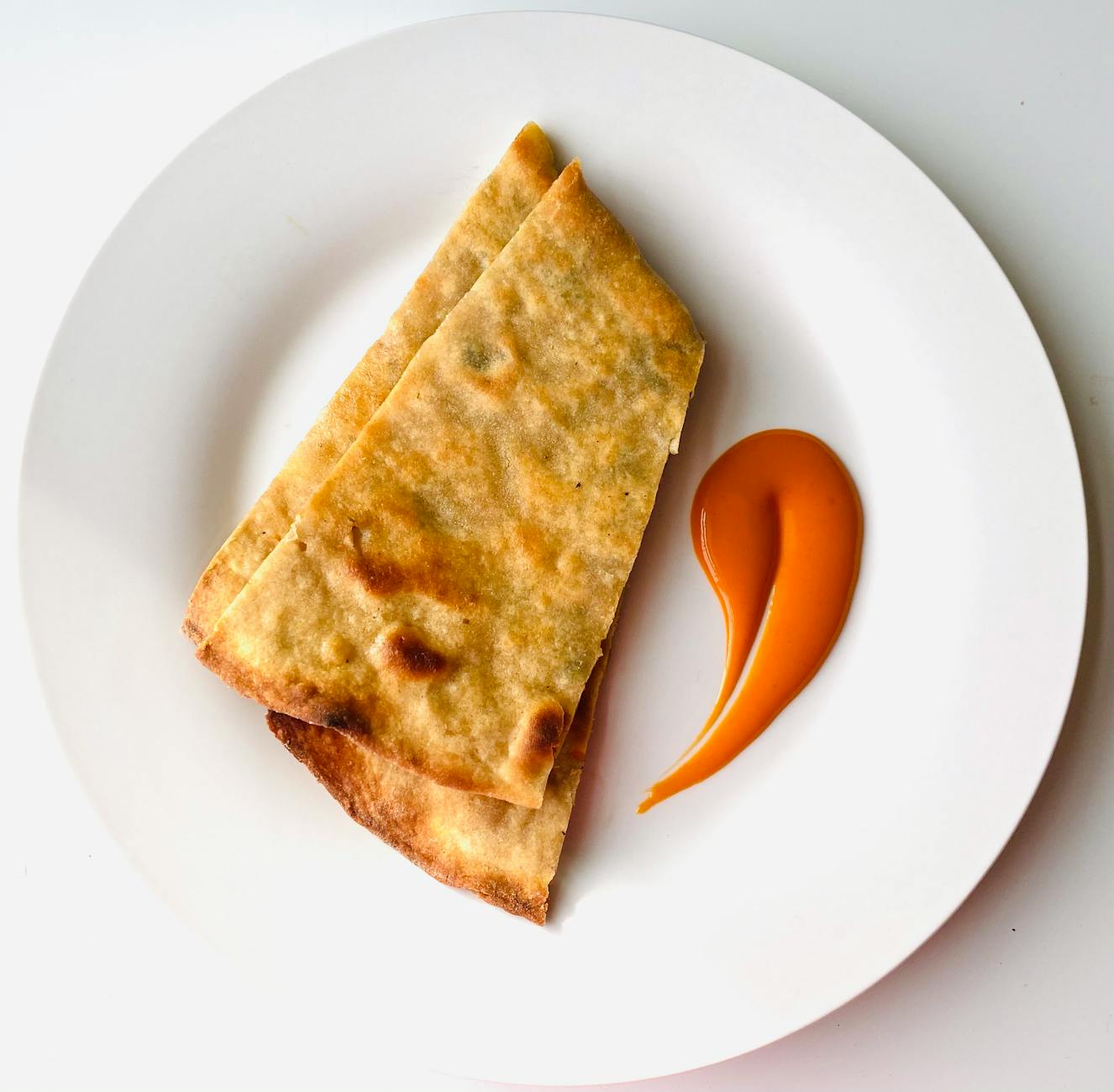
God gave instructions to the people through Moses. God instructed them to ask for valuables from their Egyptian neighbors; it was a great transfer of wealth. In a sense it was payback for years of slavery. Next the Israelites were to eat an unblemished lamb for dinner and pack up. There was much to do and little time, so they made and ate unleavened bread. Regarding the lamb, Moses said to eat the whole thing and apply its blood to the door frames of their homes. This blood was a sign to the death angel to stay away because all behind those doors were protected by God.
The Israelites left the next morning. After they departed, Egypt’s Pharoah changed his mind and chased after them with his army, backing them up against the Red Sea. The LORD delivered them from that precarious position, too, with signs and wonders the surrounding nations would learn about and remember years later. More miracles were to follow.
So, the first Passover celebrates God’s deliverance of Israel from oppression in Egypt.
So, the first Passover celebrates God’s deliverance of Israel from oppression in Egypt.
Once free, the people still needed a change of mind and heart from the impact of all those years of slavery. It took a generation to turn the men into warriors with enough faith and fortitude to enter and possess the land God had promised to give them. Between times, they wandered in the desert. When the time to enter arrived, God appointed new leadership for Israel, Joshua Son of Nunn.
The Book of Exodus tells the story of the first Passover. It’s commemorated annually by a Spring feast that falls on different dates from year-to-year, when using a western calendar. This year of 2026, Passover begins the evening of April 1st and ends on April 8th, 2026. It’s interesting that Resurrection Day (Easter) is the fourth day of Passover in 2026. Many say four means creation in Hebrew. I’ve heard others say four means a doorway or portal. Check online for dates if you want to know more or if you are researching a different year.
Jewish people have various customs for celebrating Passover that have developed over time. In the days of Jesus Christ, Jews came into Jerusalem to offer an animal sacrifice in the temple and eat the Passover Seder meal. When he was a child, Jesus’ family went to the temple to celebrate Passover. Later, Jesus died on a Roman cross during Passover.
The practice of offering animal sacrifices in the temple stopped around 70 A.D. when the temple was destroyed. Then other customs developed as a substitute. Christians believe Jesus Christ was the perfect sacrifice for sin and understand that no more animal sacrifices are needed to atone for sin. Observant Jews have celebrated Passover throughout the centuries and many still do so today. Messianic Jews and some Christians celebrate Passover with a Seder meal, knowing in the Old Testament God appointed Passover as a biblical feast to celebrate.
Christians believe Jesus Christ was the perfect sacrifice for sin and understand that no more animal sacrifices are needed to atone for sin.
 Fire Starter for Jesus